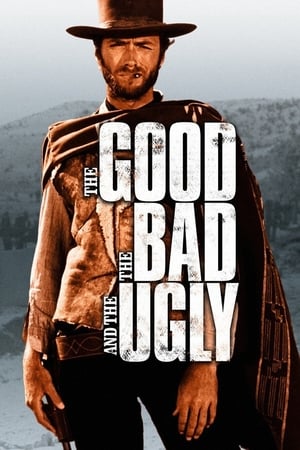

The Good, the Bad and the Ugly (1966) Synopsis — The Ultimate Spaghetti Western Masterpiece
Synopsis of The Good, the Bad and the Ugly (1966)
The epic 1966 Western, The Good, the Bad and the Ugly, stands as a monumental achievement in cinema, a film that redefined the genre and continues to captivate audiences. This original story, directed by the legendary Sergio Leone, plunges viewers into the heart of the American Civil War and its chaotic aftermath, where survival hinges on cunning and the glint of stolen gold. It is not based on a novel or true story but is a foundational narrative within the spaghetti western subgenre.
At the center of this sprawling narrative are three morally ambiguous figures, each driven by their own insatiable greed. There’s the enigmatic and laconic bounty hunter known as “The Man with No Name” (Clint Eastwood), a master of gunplay whose motives are as shrouded as the dusty landscapes he traverses. He is constantly at odds with, and sometimes in uneasy alliance with, the ruthless and sadistic hitman, Angel Eyes (Lee Van Cleef), a man whose loyalty is as fleeting as a desert mirage and whose cruelty knows no bounds. Rounding out this dangerous trio is the roguish and opportunistic Mexican bandit, Tuco Ramirez (Eli Wallach), a charismatic outlaw whose survival instincts are as sharp as his wit, often finding himself in desperate situations and making desperate choices.
The central conflict ignites when a fortune in stolen Confederate gold is revealed to be hidden in a remote graveyard. This hidden treasure becomes the ultimate prize, drawing these three disparate individuals into a perilous race against time and each other. As the Civil War rages, creating a backdrop of widespread destruction and displacement, the search for this vast sum of money intensifies. The emotional stakes are incredibly high, as each man faces betrayal, brutal gun battles, and the constant threat of death, all for the promise of untold riches. The film masterfully explores themes of loyalty, betrayal, and the often blurry line between heroism and villainy, making each character a complex anti-hero whose actions are driven by self-preservation and a deep-seated desire for wealth.
What makes The Good, the Bad and the Ugly a groundbreaking film is its unflinching portrayal of violence, its iconic use of Ennio Morricone’s unforgettable score, and its epic, expansive scope. Leone’s distinct directorial style, characterized by extreme close-ups, operatic pacing, and visually stunning compositions, elevates this Western beyond a simple manhunt. The film’s deliberate pacing builds immense suspense, culminating in some of the most iconic showdowns in cinema history. It offers a raw and gritty depiction of the American West, stripping away romanticized notions and presenting a world where only the most cunning and ruthless can thrive. The narrative’s intricate web of alliances and betrayals ensures a constantly evolving and suspenseful viewing experience, making it a modern classic.
Plot of The Good, the Bad and the Ugly — A Gripping Story
The narrative of The Good, the Bad and the Ugly is a masterful tapestry woven with threads of greed, desperation, and the brutal realities of war-torn America. Following a botched bounty hunter scheme, “The Man with No Name” finds himself entangled with Tuco Ramirez, a fugitive he was meant to hand over. Their precarious partnership, born out of necessity and mutual distrust, uncovers a vital clue to the location of a vast sum of Confederate gold. This stolen fortune, intended to fund the Confederacy, has been lost and is now rumored to be hidden in a desolate graveyard known as Sad Hill.
However, their pursuit of the hidden gold is relentlessly shadowed by the sinister presence of Angel Eyes, a merciless hitman hired to track down a former associate who possesses critical information about the gold. As these three figures converge on the same objective, a brutal game of cat and mouse unfolds. The backdrop of the American Civil War serves not only as a visually dramatic setting but also as a catalyst for the chaos and moral compromises made by the characters. They must navigate battlefields, treacherous landscapes, and the constant threat of ambushes, not only from each other but also from desperate refugees and opportunistic soldiers, all while the ultimate prize remains tantalizingly out of reach. The complex relationships and shifting allegiances between the protagonists and antagonists are central to the film’s suspenseful plot, leading to explosive gun battles and unforgettable confrontations.
Interesting Facts About The Good, the Bad and the Ugly
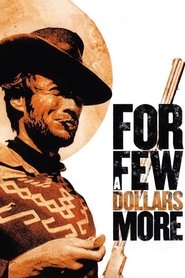
- The film is the third installment in Sergio Leone’s “Dollars Trilogy,” following A Fistful of Dollars (1964) and For a Few Dollars More (1965), though it tells a standalone story and can be enjoyed independently.
- Ennio Morricone’s iconic score is considered one of the greatest film soundtracks of all time, with its distinctive whistling and chanting contributing significantly to the film’s atmosphere and legend.
- Eli Wallach improvised much of Tuco’s dialogue and character eccentricities, bringing a unique brand of manic energy and dark humor to his role that became a fan favorite.
- The climactic shootout scene at Sad Hill Cemetery was filmed over an extended period and is renowned for its tension-building pacing and innovative cinematography.
- The film was originally released in Italy in 1966 and later in the USA in 1967, eventually becoming a critical and commercial success that cemented its status as a masterpiece of the Western genre.
Why You Should Watch The Good, the Bad and the Ugly (1966)
The Good, the Bad and the Ugly (1966) is an absolute must-watch for any film enthusiast, particularly those who appreciate the Western genre. It transcends its roots to become a timeless cinematic experience, offering a potent blend of thrilling action, complex characters, and a story that grips you from beginning to end. The film’s masterful direction, unforgettable score, and brilliant performances from its lead actors create an immersive world that is both brutal and beautiful.
Whether you’re a fan of gritty narratives, morally complex characters, or simply brilliant filmmaking, this Italian-American co-production delivers. It’s a film that defined the spaghetti western and continues to influence filmmakers today, making it a crucial piece of cinematic history. Prepare for intense suspense, legendary gunfights, and a story that will leave you contemplating the nature of good and evil long after the credits roll.
Cast of The Good, the Bad and the Ugly (1966)
| Actor | Role |
|---|---|
| Clint Eastwood | Blondie |
| Eli Wallach | Tuco Ramirez |
| Lee Van Cleef | Sentenza / Angel Eyes |
| Aldo Giuffrè | Alcoholic Union Captain |
| Luigi Pistilli | Father Pablo Ramirez |
| Rada Rassimov | Maria |
| Enzo Petito | Storekeeper |
| Claudio Scarchilli | Tuco Henchman |
| Antonio Casale | Bill Carson / Jackson |
| Livio Lorenzon | Baker |
Original title: Il buono, il brutto, il cattivo